


Connecting Times,
Crafting Life.
Bridging 100 years of history with the life of tomorrow.
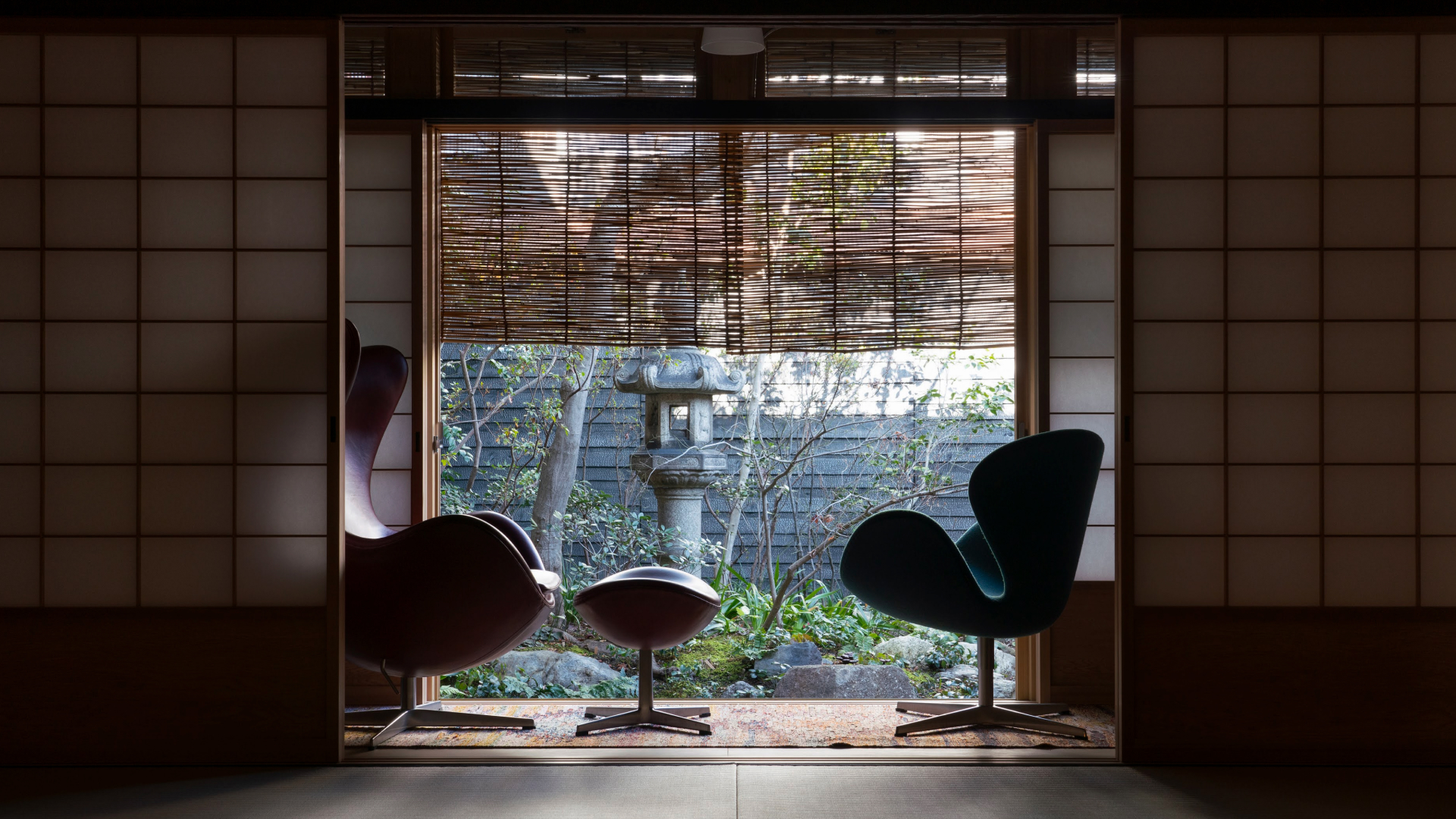
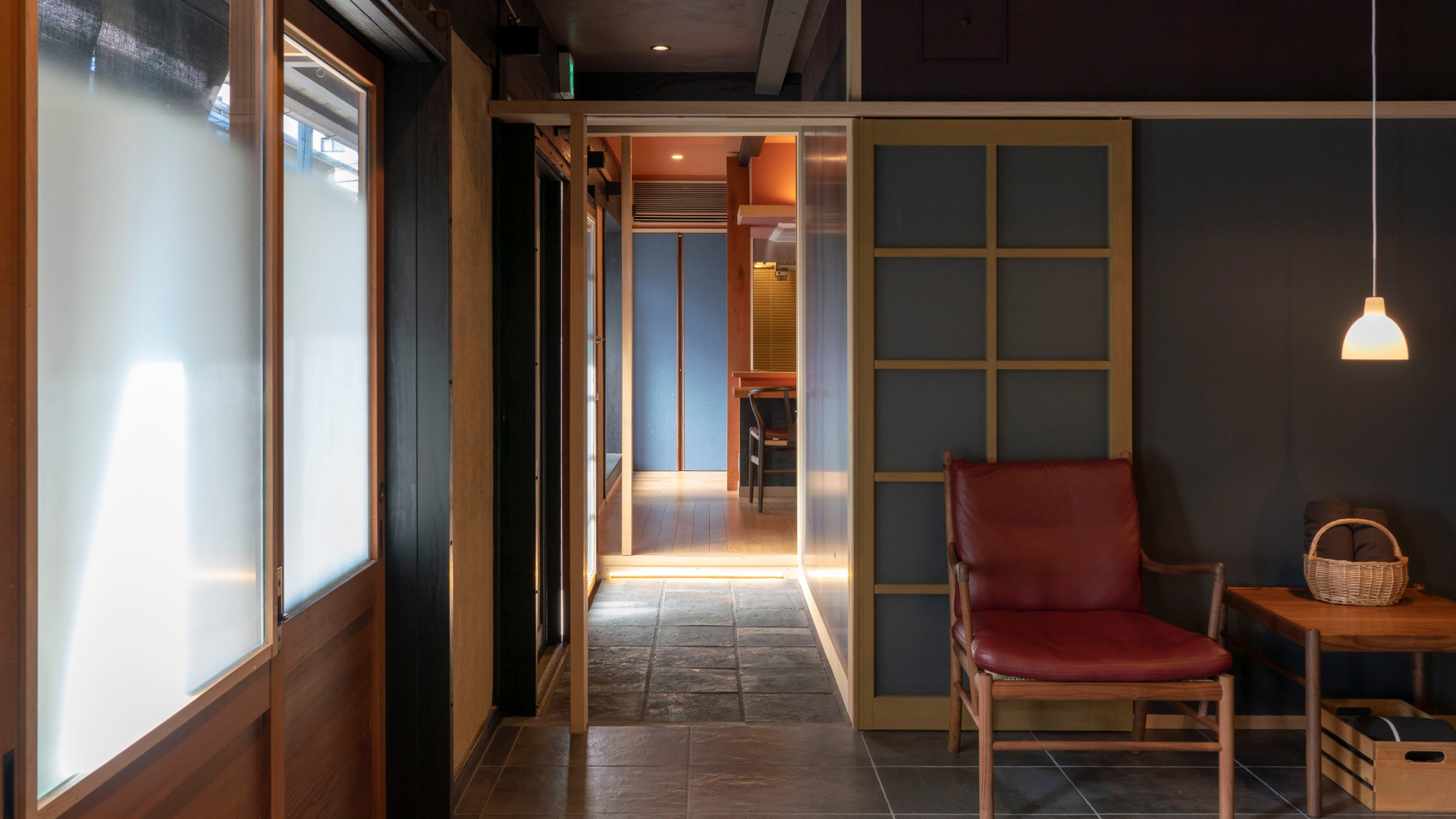
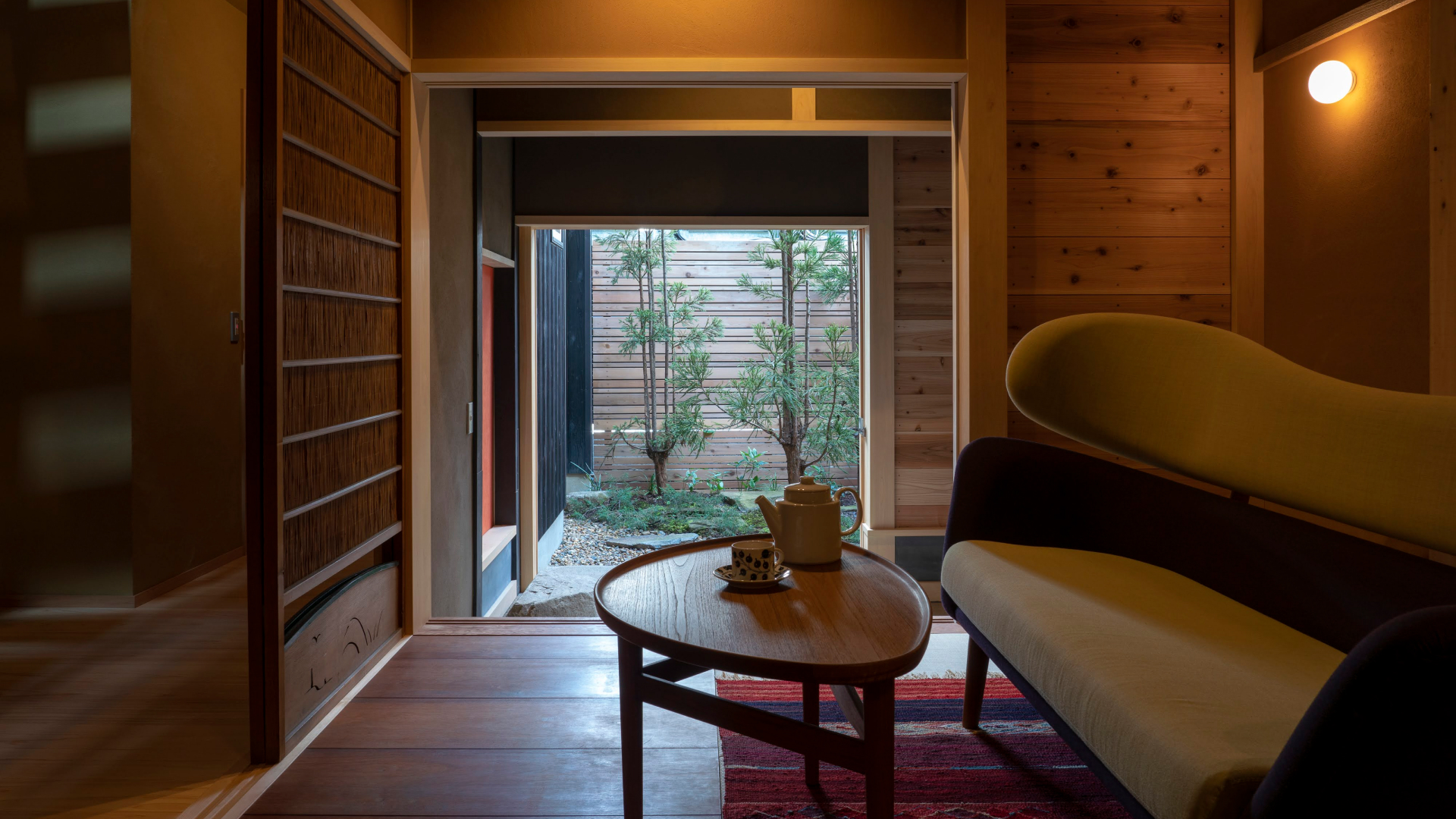
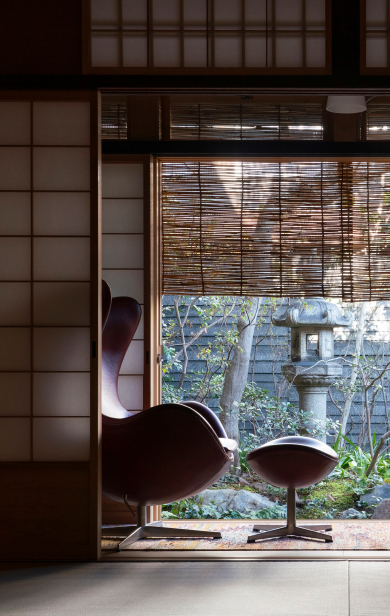
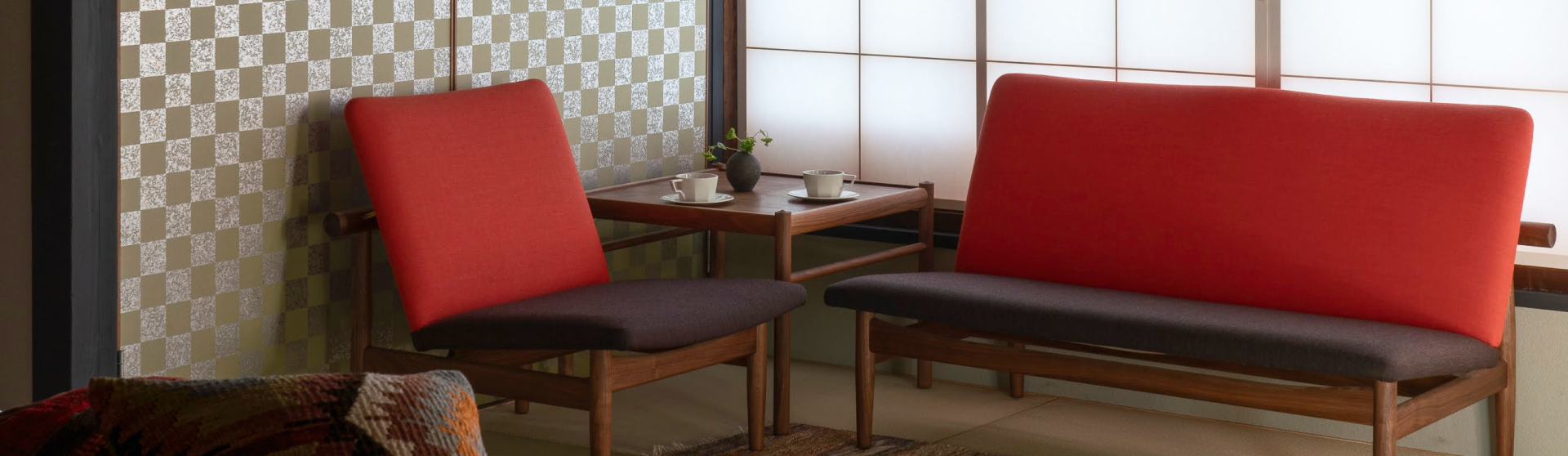
When serene Scandinavian furniture nestles against the aged grain of beams and pillars,
A new harmony is born:
A singular scene where the old and the new converse.
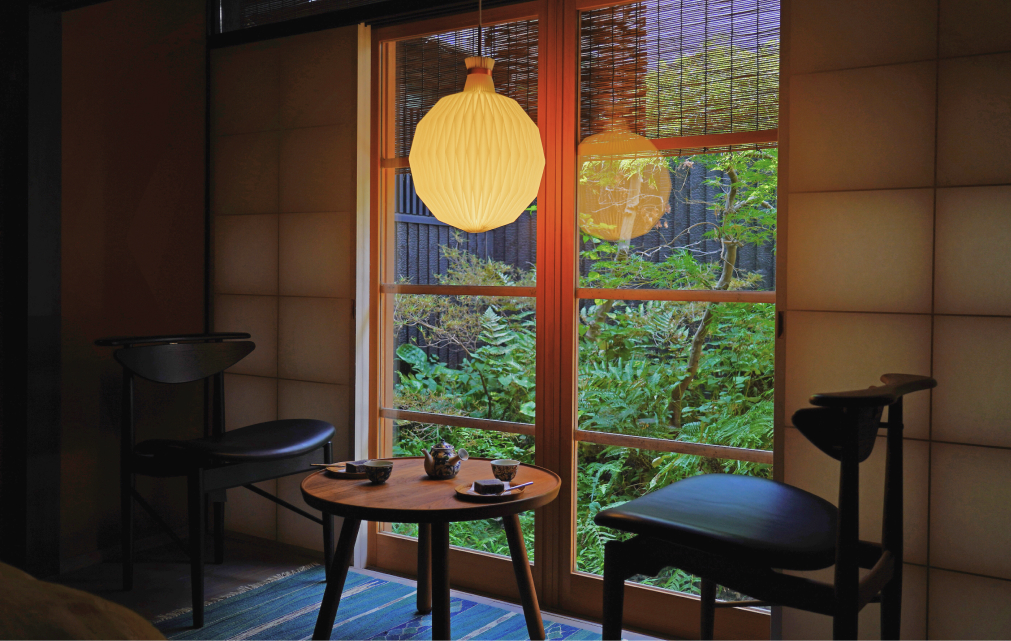
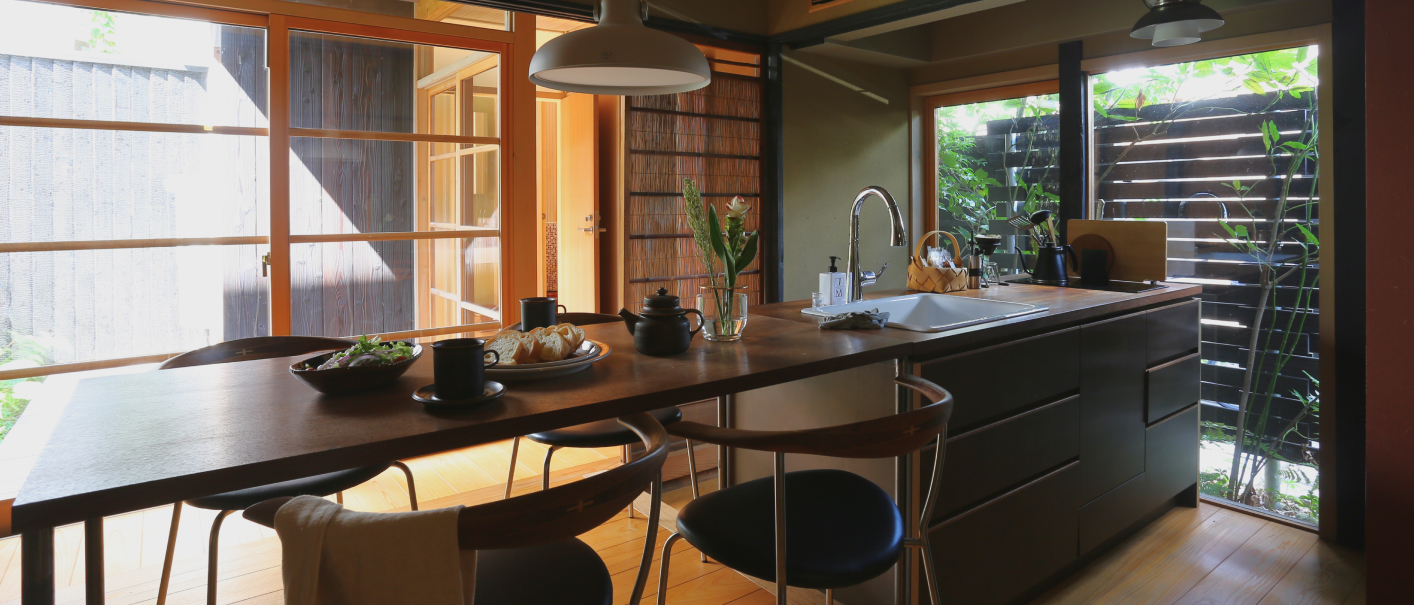
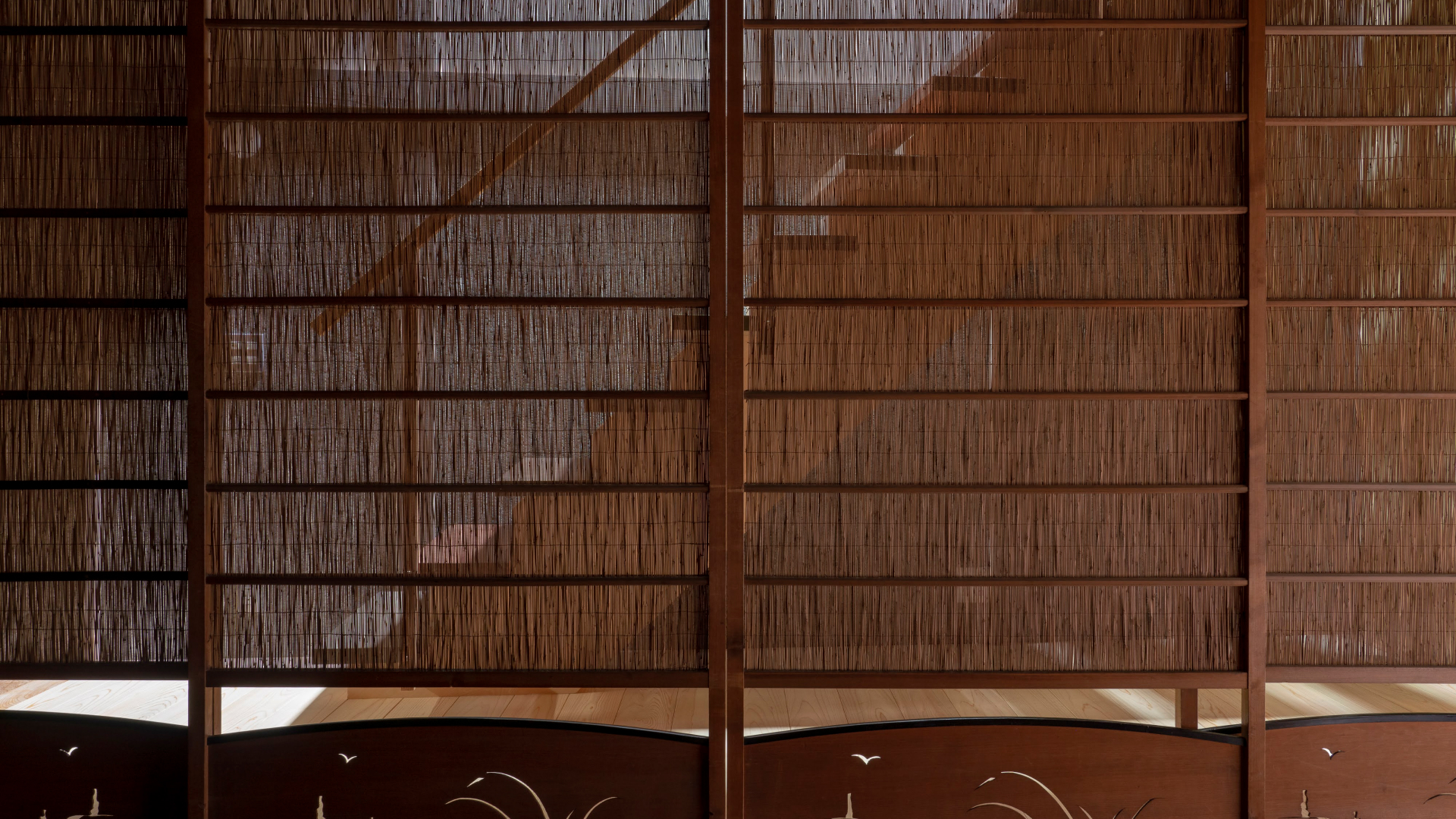
By the precise craftsmanship of Japanese carpenters, the Kominka takes its first new breath.
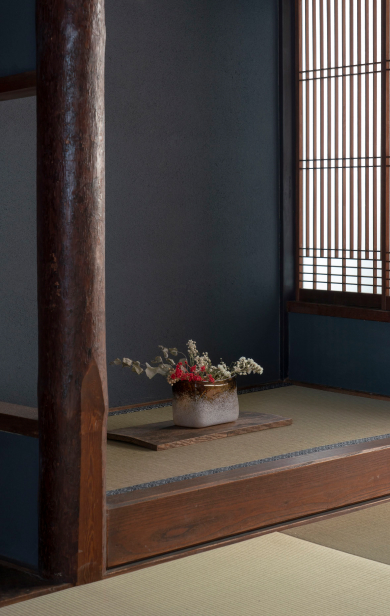
Architect Yoshiji Takehara draws “Yohaku” (intentional breathing space) into the structure.
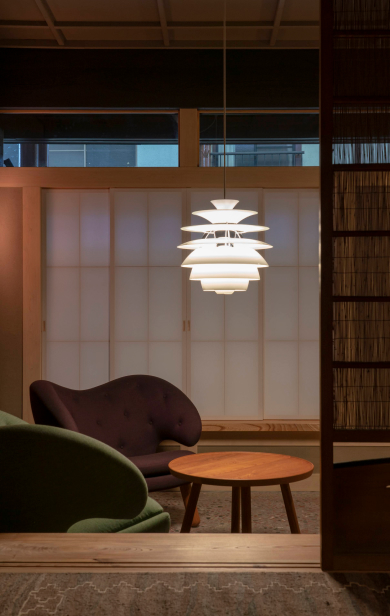
And +ROGOBA selects Scandinavian pieces that bring warmth and color to the stillness.
Connecting Times,
Crafting Life.
Bridging 100 years of history with the life of tomorrow.
When serene Scandinavian furniture nestles against the aged grain of beams and pillars,
A new harmony is born:
A singular scene where the old and the new converse.
By the precise craftsmanship of Japanese carpenters, the Kominka takes its first new breath.
Architect Yoshiji Takehara draws “Yohaku” (intentional breathing space) into the structure.
And +ROGOBA selects Scandinavian pieces that bring warmth and color to the stillness.
A Home as Culture that Embraces New Ways of Living.
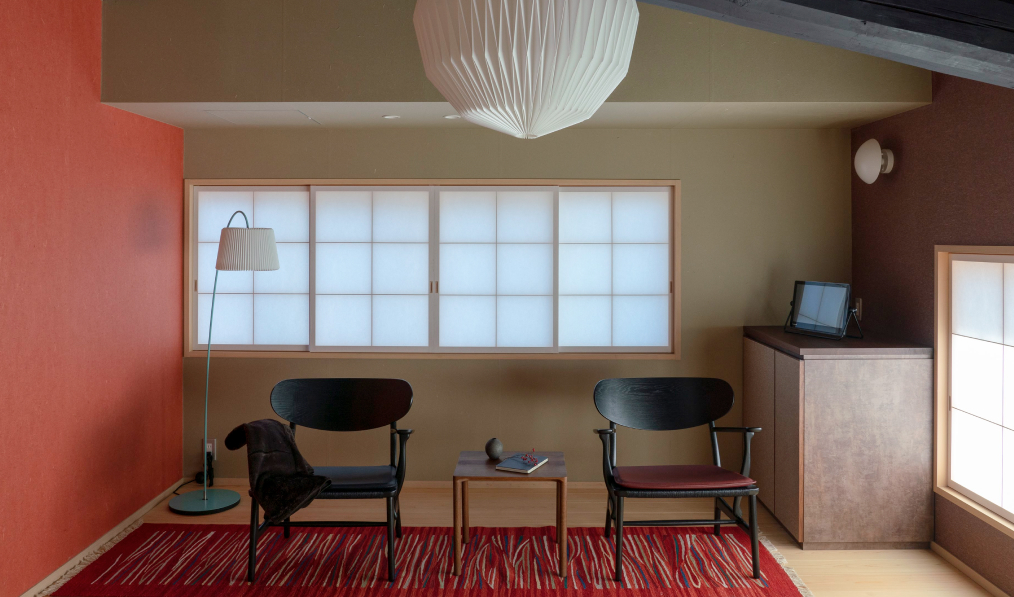
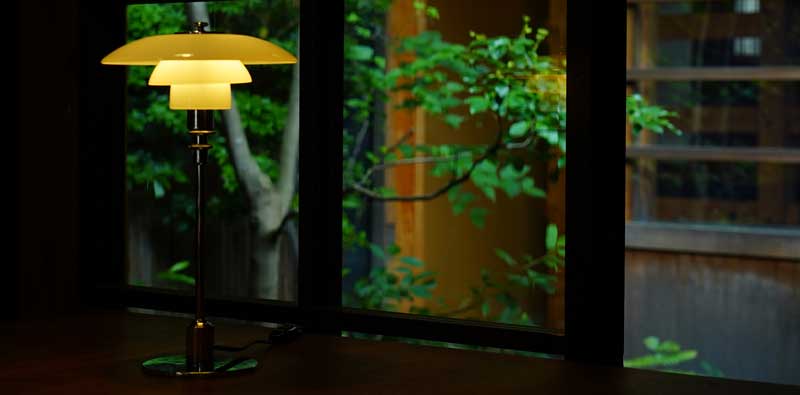
A Scandinavian chair or a lamp is never just a functional tool.It stands quietly, breathing in unison with the space, nurturing the “time of living” alongside you.
This is more than interior design.It is “Home as Culture.”
The profound depth of traditional materials meets the quietude of Scandinavian design.
A unique atmosphere born only from this encounter.
This is the form of “Connecting Times, Crafting Life” that we strive for.
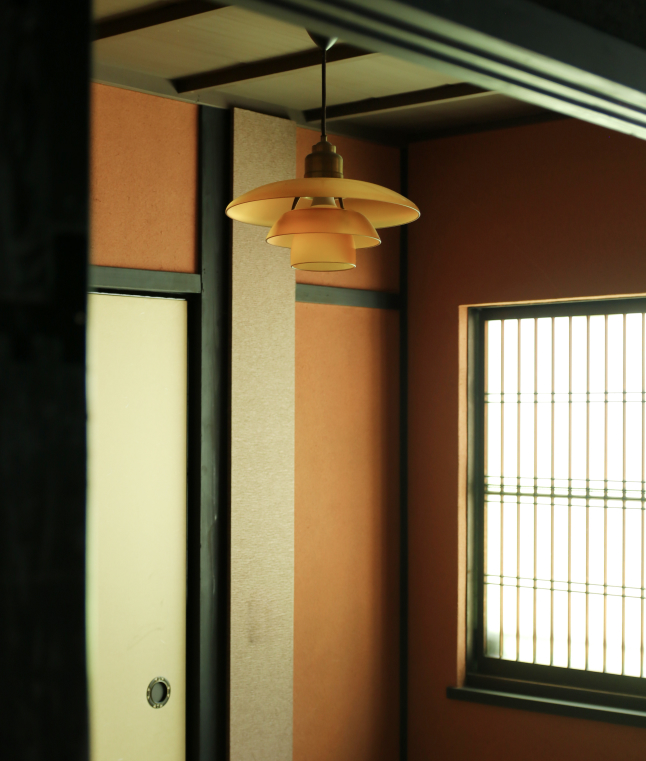
A Home as Culture that Embraces New Ways of Living.
A Scandinavian chair or a lamp is never just a functional tool.It stands quietly, breathing in unison with the space, nurturing the “time of living” alongside you.
This is more than interior design.It is “Home as Culture.”
The profound depth of traditional materials meets the quietude of Scandinavian design.
A unique atmosphere born only from this encounter.
This is the form of “Connecting Times, Crafting Life” that we strive for.
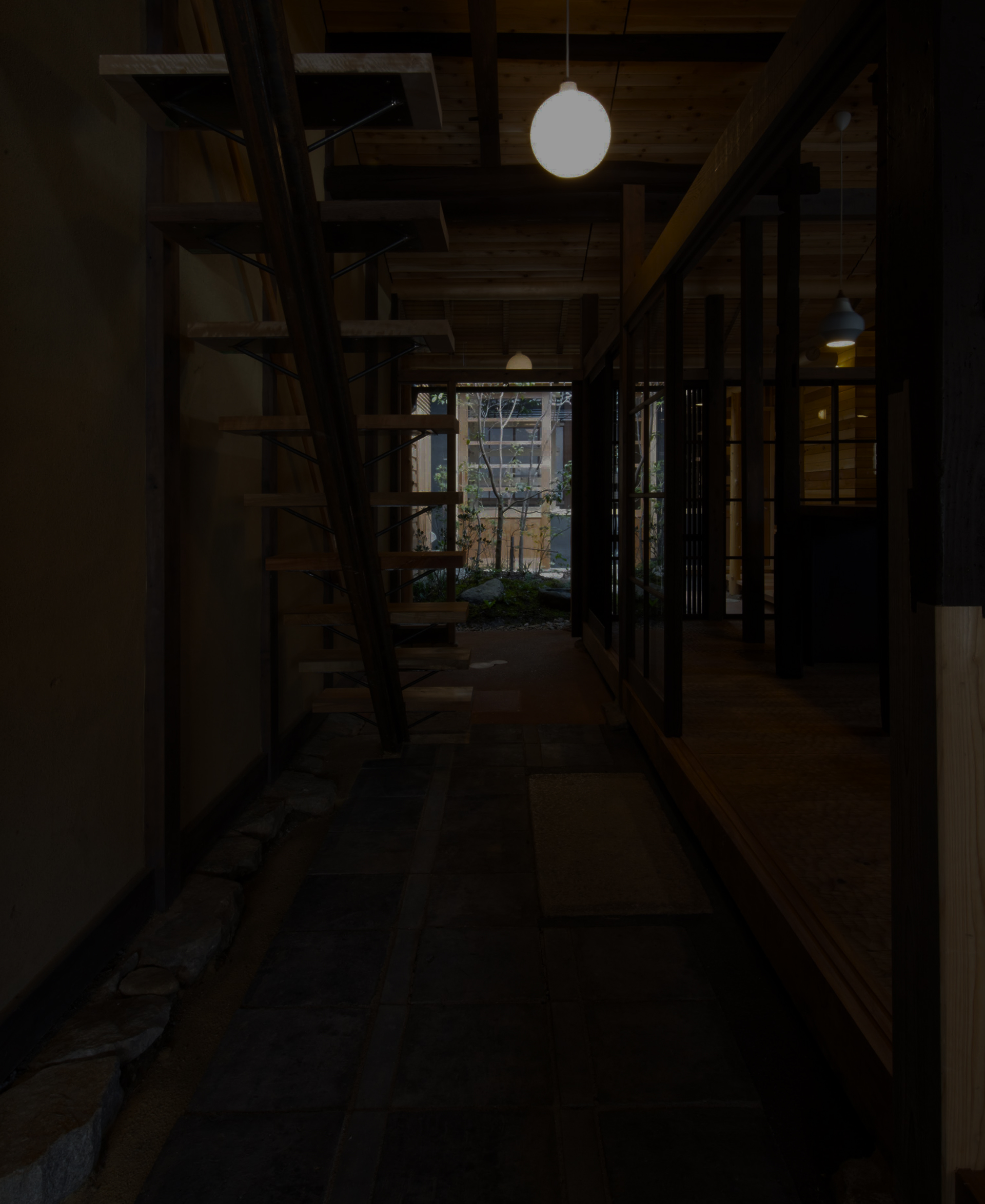
Immerse Yourself in the Harmony
at “Otsu Hyakucho Studio”
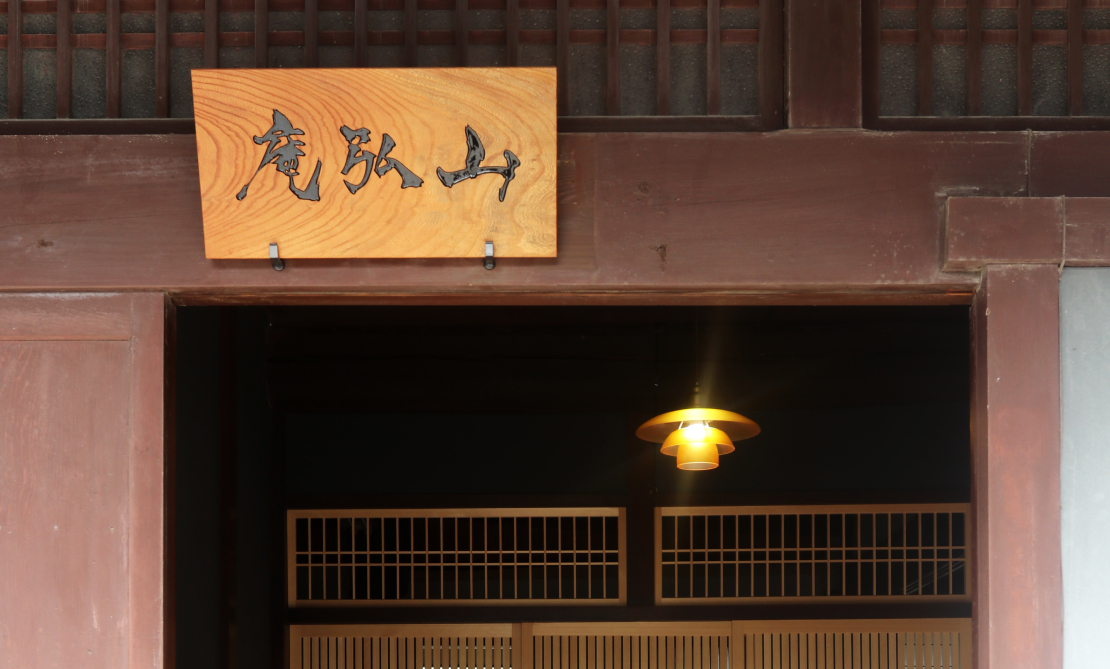
We chose Otsu Hyakucho Studio as the base for our renovation projects.
Located in Otsu—once the largest post town on the historic Tokaido road and the final gateway on the journey to Kyoto.
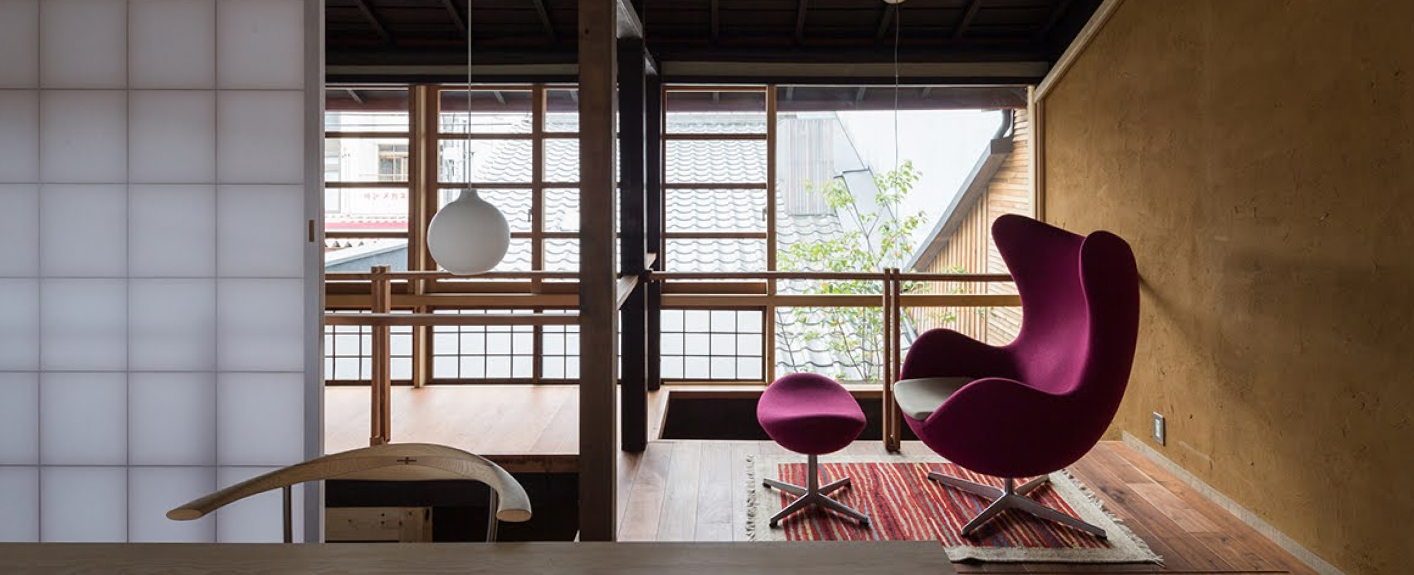
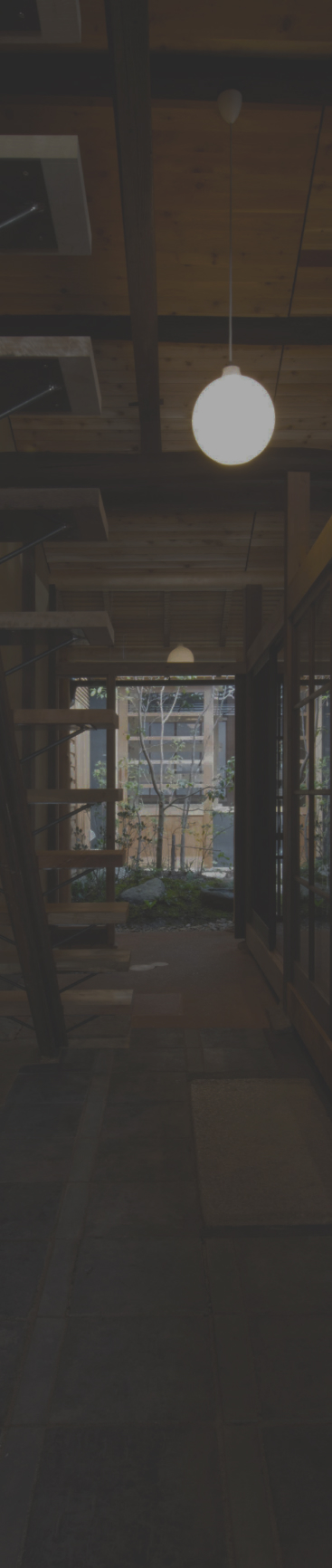
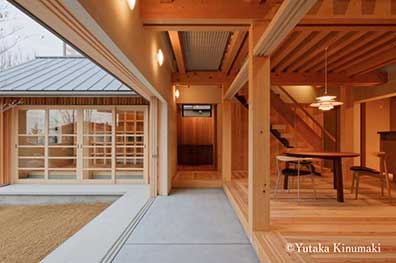
This showroom is a renovated 100-year-old Kominka. By applying traditional carpentry techniques, we preserved and repurposed the original materials to their fullest potential. We invite you to experience this atmospheric space, where the old and the new resonate in perfect harmony.
The History of the Location Our studio was once a Kichin-yado, a simple lodging for traveling merchants. Looking at how pillars were repurposed as beams, we see how past residents cherished their resources, living with care and passing things down. We revitalized this space with the wish to pass on not just the Kominka and carpentry skills, but also this spirit of cherishing tradition.
We revitalized this space with the wish to pass on not just the Kominka and carpentry skills, but also this spirit of cherishing tradition.
The Aesthetics of the Machiya The beauty of depth (Okuyuki), shadow (In-ei), and openness (Nuke).
Assessing the power of ancient wood, carving it by hand, and assembling it once more.
Resonating the old and the new within daily life.
Here, three elements coexist in silence:
Reliable structural techniques inheriting Machiya history,
Design that carefully interprets the relationship between people and the town,
And a gentle way of living where Scandinavian furniture breathes.
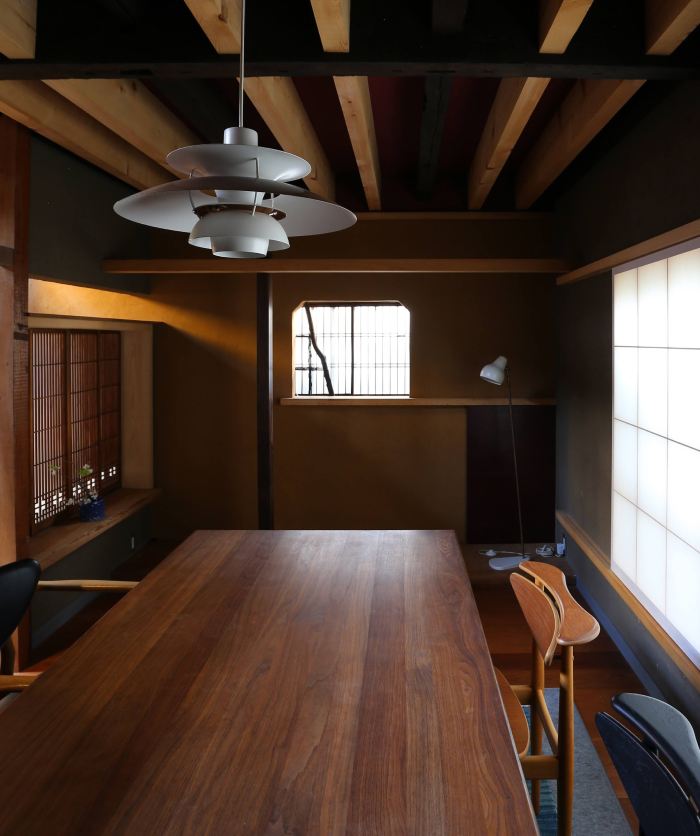
Immerse Yourself in the Harmony
at “Otsu Hyakucho Studio”
We chose Otsu Hyakucho Studio as the base for our renovation projects.
Located in Otsu—once the largest post town on the historic Tokaido road and the final gateway on the journey to Kyoto.
This showroom is a renovated 100-year-old Kominka. By applying traditional carpentry techniques, we preserved and repurposed the original materials to their fullest potential. We invite you to experience this atmospheric space, where the old and the new resonate in perfect harmony.
The History of the Location Our studio was once a Kichin-yado, a simple lodging for traveling merchants. Looking at how pillars were repurposed as beams, we see how past residents cherished their resources, living with care and passing things down. We revitalized this space with the wish to pass on not just the Kominka and carpentry skills, but also this spirit of cherishing tradition.
We revitalized this space with the wish to pass on not just the Kominka and carpentry skills, but also this spirit of cherishing tradition.
The Aesthetics of the Machiya The beauty of depth (Okuyuki), shadow (In-ei), and openness (Nuke).
Assessing the power of ancient wood, carving it by hand, and assembling it once more.
Resonating the old and the new within daily life.
Here, three elements coexist in silence:
Reliable structural techniques inheriting Machiya history,
Design that carefully interprets the relationship between people and the town,
And a gentle way of living where Scandinavian furniture breathes.


Three Experts “Connecting Times, Crafting Life.”

Design
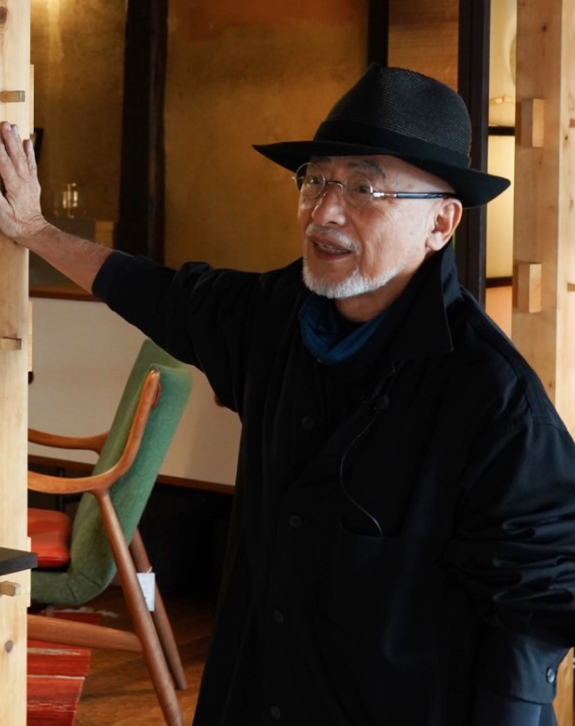
Yoshiji Takehara
(Architect)
Inherit, Add, and Connect.
“Old architecture is filled with wisdom that accepts the accumulation of time, human activity, and the changing seasons. It has been constantly updated through addition and subtraction.
Newness is added to the old; age dwells in the new. In this relationship, architecture continues to mark time.”
1948 Born in Tokushima Prefecture.
1971 Joined Osamu Ishii / Biken Architectural Design Office after studying at the Togashi Laboratory, Osaka City University.
1978 Established MOO ARCHITECT WORKSHOP.
2000–2013 Professor, Graduate School of Human Life Science, Osaka City University.
2015–2019 Professor, Department of Architecture, Faculty of Science and Engineering, Setsunan University.
Present Visiting Professor, Department of Architecture, Faculty of Environmental and Urban Engineering, Kansai University.

MOO ARCHITECT WORKSHOP
“All things begin in Mu (Nothingness) and return to Yu (Existence).”
The architectural studio of Yoshiji Takehara. Rooted in residential design, the firm pursues the creation of spaces where people live with true vitality.
Construction

Taniguchi Komuten Co., Ltd.
(Master Carpenters & Specialists in Timber Homes)
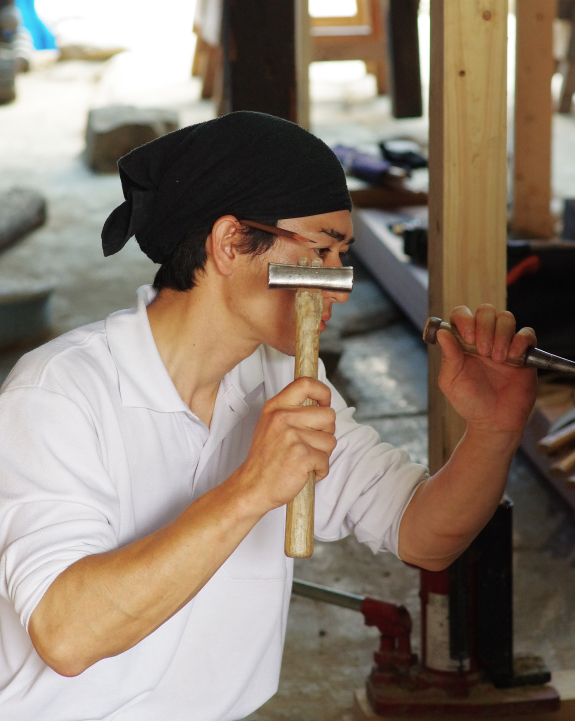
Creating the Future by Hand. Master Carpenters Dedicated to Heritage.
“Destroying is instant. But protecting and nurturing takes time and effort. If that work leads to architecture that connects to the future, then our labor has meaning.”
Based in Ryuo, Shiga, Japan, they are specialists in traditional Japanese architecture. They possess the rare skill to assess the strength of old timber, carve it by hand, and breathe new life into it.
Interior

+ROGOBA
Coordinating Connections in Space.
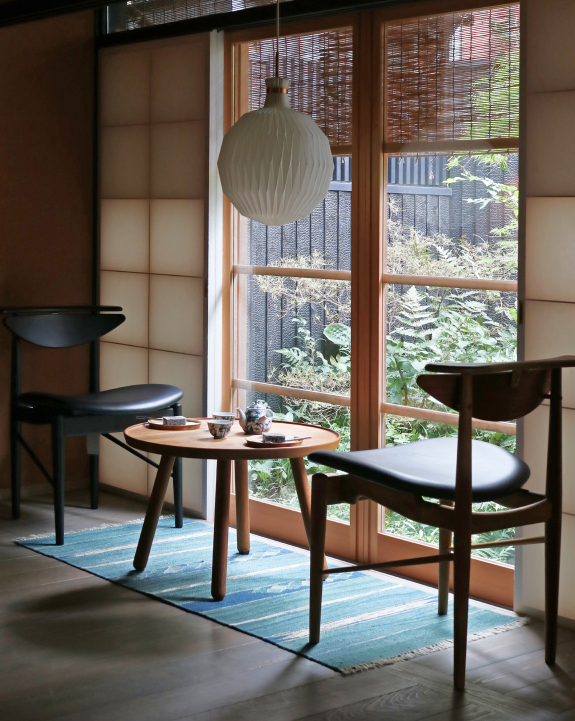
“Kominka are places that preserve the memories of Japanese life.
Scandinavian furniture are tools that comfortably adjust modern living.”
The quietude, curves, and textures of Scandinavian design resonate deeply with the silence and wood grain of Japanese architecture. We do not just ‘place’ furniture; we read the air of the architecture and coordinate a connection of senses.
Three Experts “Connecting Times,
Crafting Life.”

Design
Yoshiji Takehara
(Architect)
Inherit, Add, and Connect.
“Old architecture is filled with wisdom that accepts the accumulation of time, human activity, and the changing seasons. It has been constantly updated through addition and subtraction.
Newness is added to the old; age dwells in the new. In this relationship, architecture continues to mark time.”
1948 Born in Tokushima Prefecture.
1971 Joined Osamu Ishii / Biken Architectural Design Office after studying at the Togashi Laboratory, Osaka City University.
1978 Established MOO ARCHITECT WORKSHOP.
2000–2013 Professor, Graduate School of Human Life Science, Osaka City University.
2015–2019 Professor, Department of Architecture, Faculty of Science and Engineering, Setsunan University.
Present Visiting Professor, Department of Architecture, Faculty of Environmental and Urban Engineering, Kansai University.
MOO ARCHITECT WORKSHOP
“All things begin in Mu (Nothingness) and return to Yu (Existence).”
The architectural studio of Yoshiji Takehara. Rooted in residential design, the firm pursues the creation of spaces where people live with true vitality.
Construction
Taniguchi Komuten Co., Ltd.
(Master Carpenters & Specialists in Timber Homes)
Creating the Future by Hand.
Master Carpenters Dedicated to Heritage.
“Destroying is instant. But protecting and nurturing takes time and effort. If that work leads to architecture that connects to the future, then our labor has meaning.”
Based in Ryuo, Shiga, Japan, they are specialists in traditional Japanese architecture. They possess the rare skill to assess the strength of old timber, carve it by hand, and breathe new life into it.
Interior
+ROGOBA
Coordinating Connections in Space.
“Kominka are places that preserve the memories of Japanese life.
Scandinavian furniture are tools that comfortably adjust modern living.”
The quietude, curves, and textures of Scandinavian design resonate deeply with the silence and wood grain of Japanese architecture. We do not just ‘place’ furniture; we read the air of the architecture and coordinate a connection of senses.
Works
Otsu Hyakucho Studio
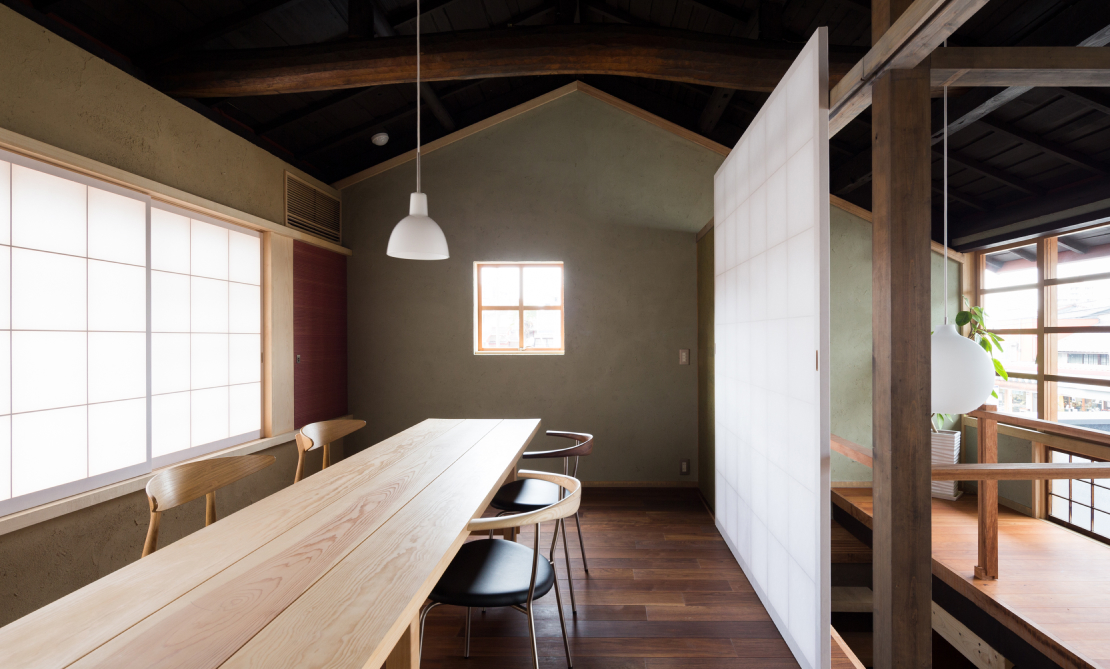
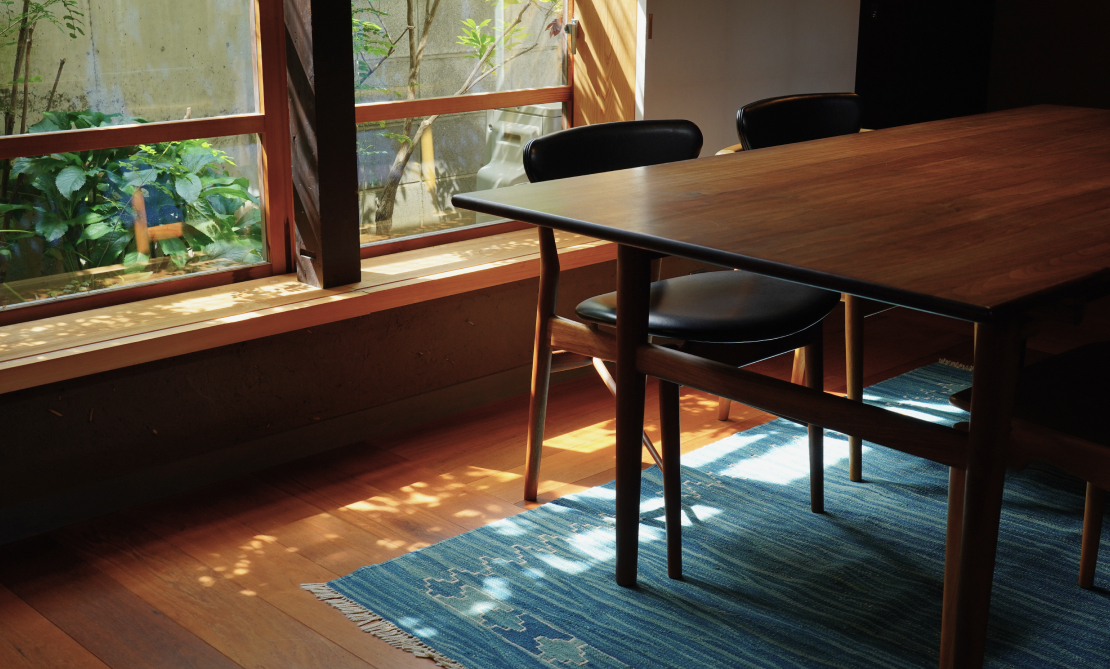
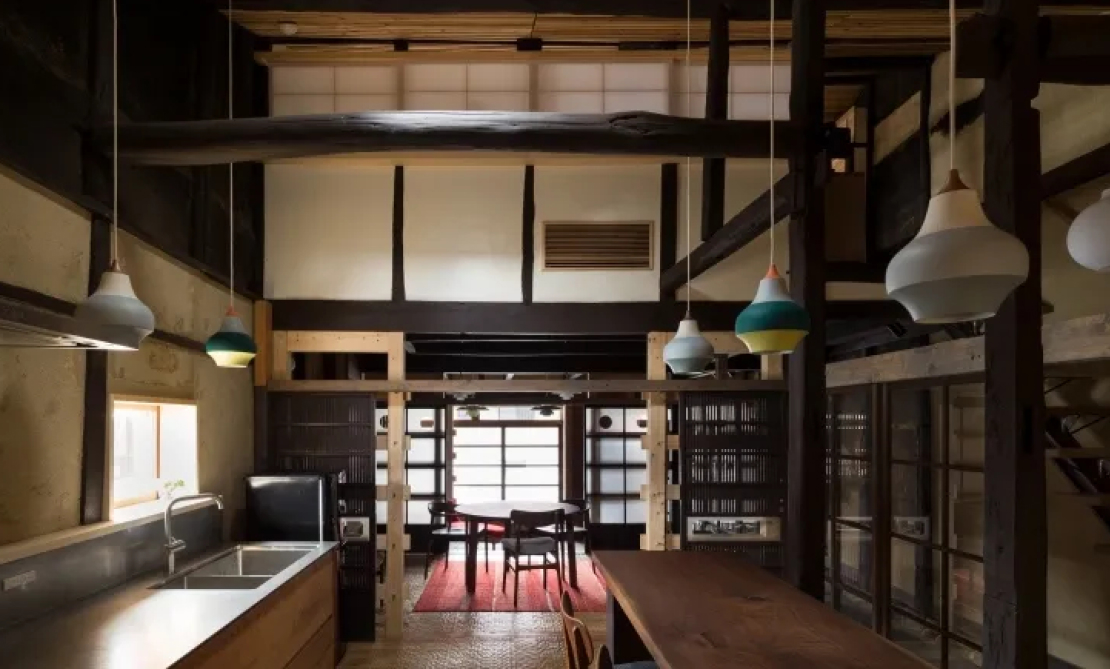
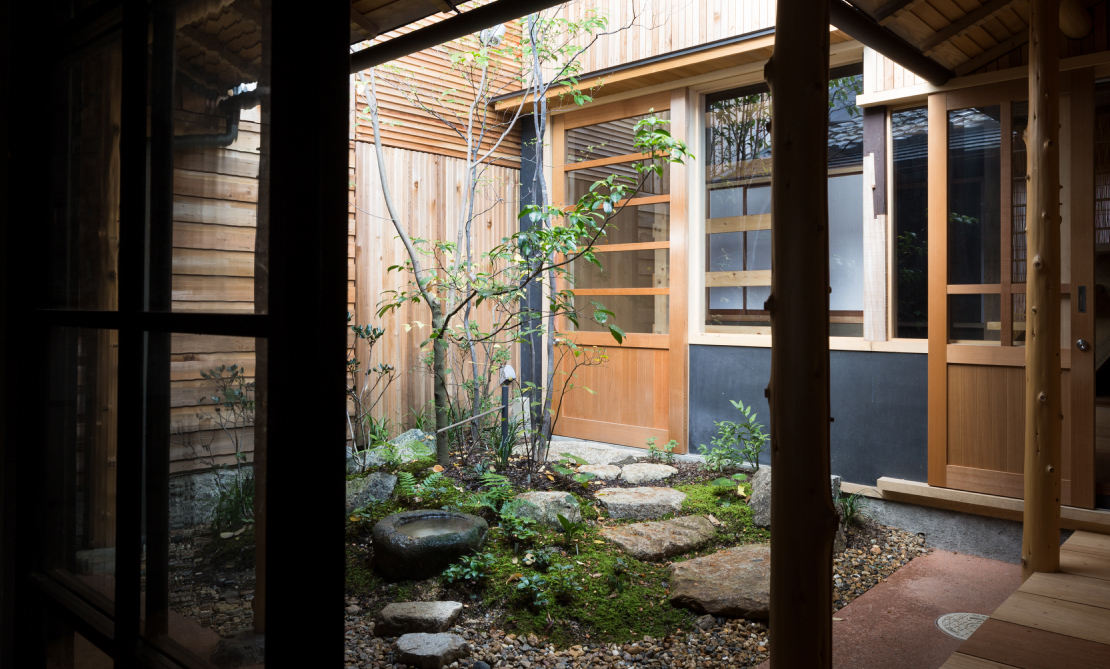
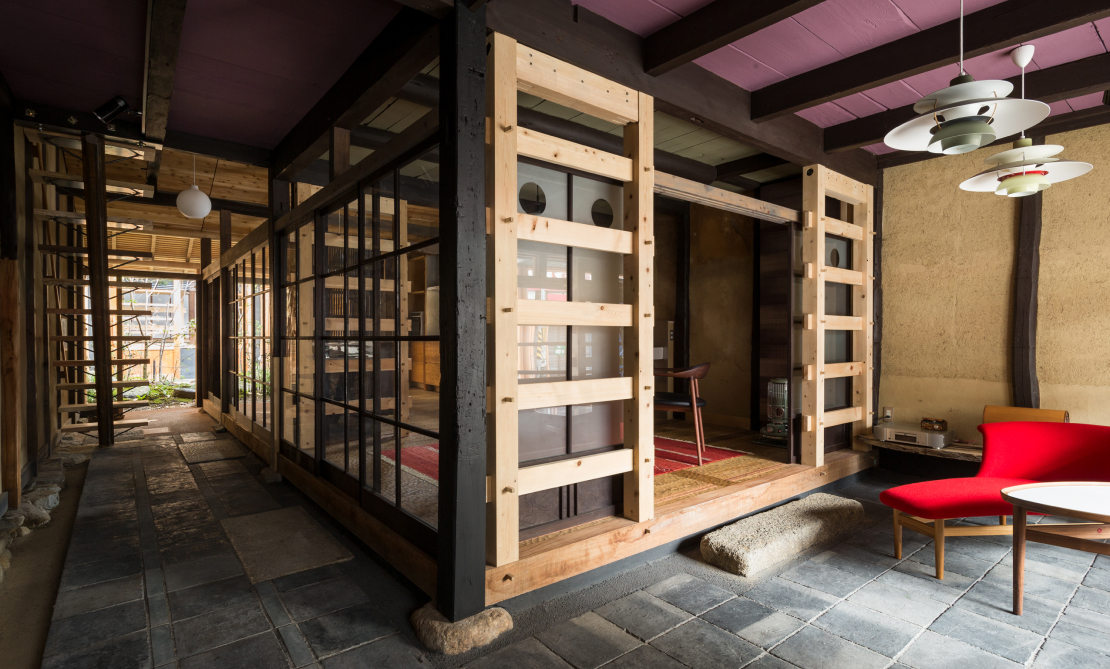
Located in Otsu—once the largest post town on the historic Tokaido road and the final gateway on the journey to Kyoto.
A showroom renovated from a 100-year-old Kominka. Maximizing the reuse of materials through carpentry skills, it offers a tasteful space where old and new harmonize.
HOTEL KOO
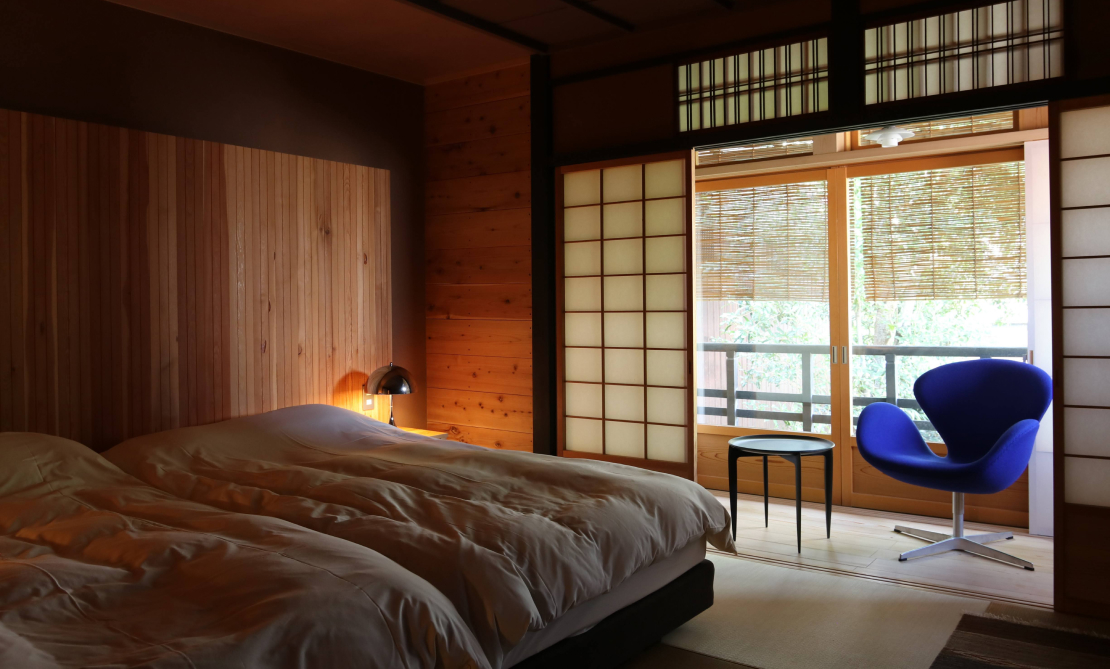
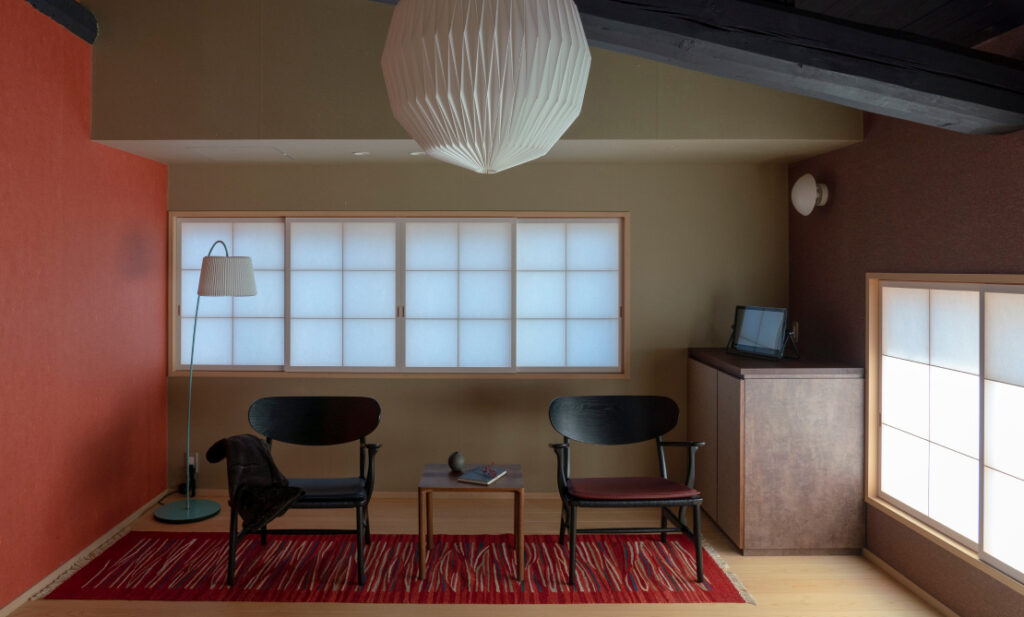
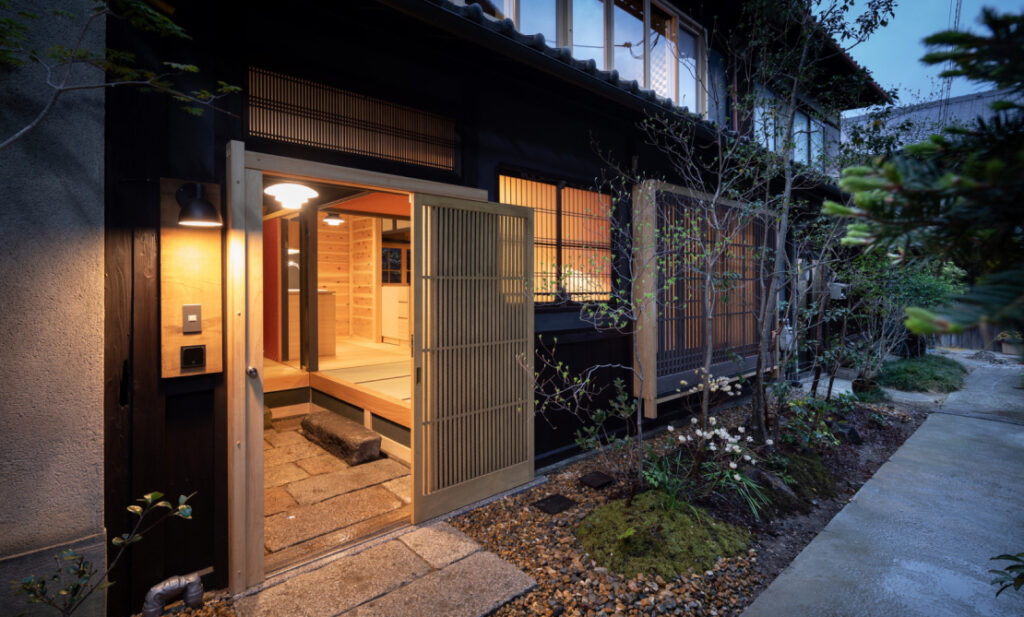
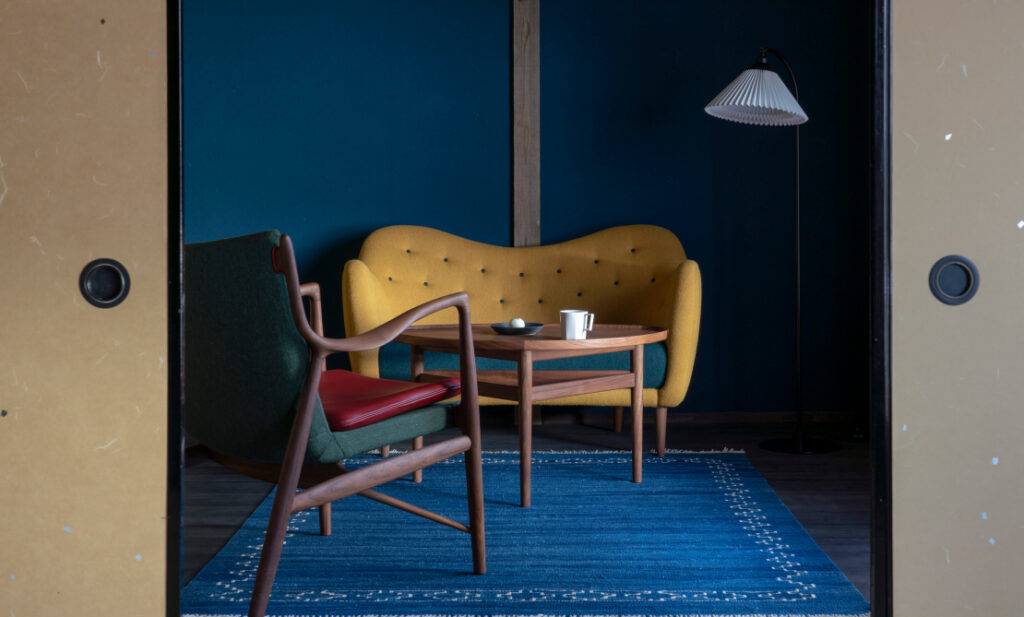
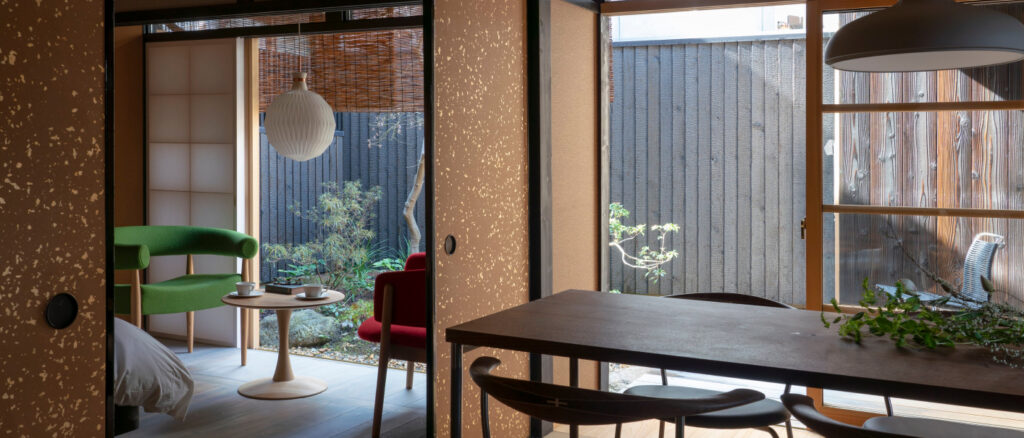
A “Distributed Hotel” where the town becomes the inn.
Revitalizing empty Machiya houses to turn the town itself into a stage for travelers. With the architectural touch of Yoshiji Takehara and serene Scandinavian furniture, it creates a calming sanctuary that connects guests deeply with the town.
Tea Room “Sanko-an”
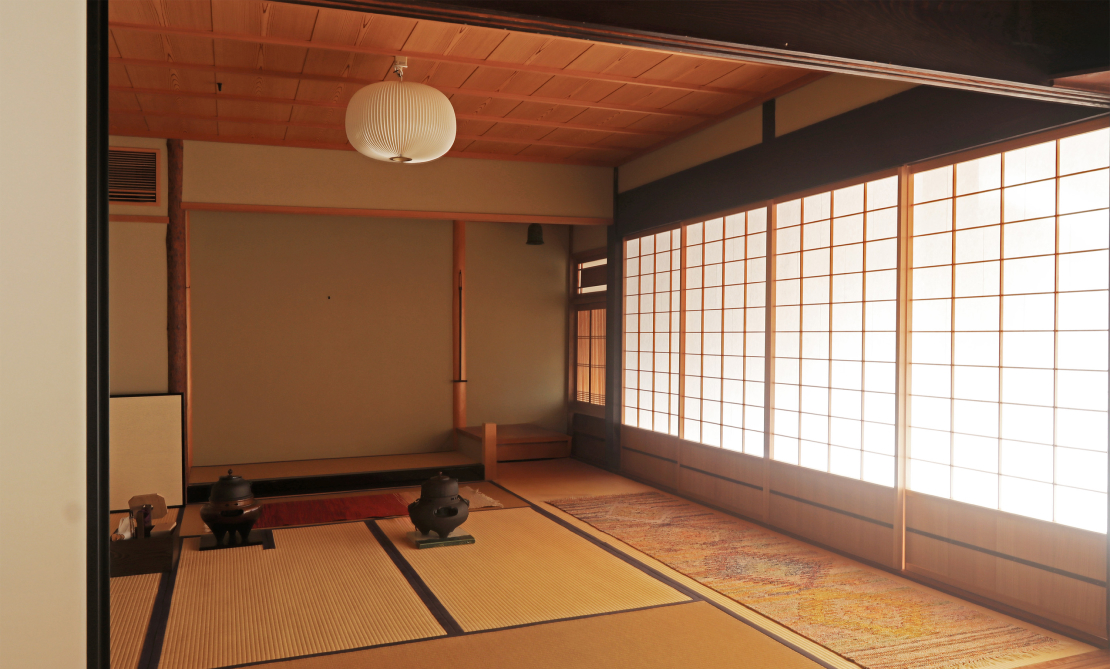
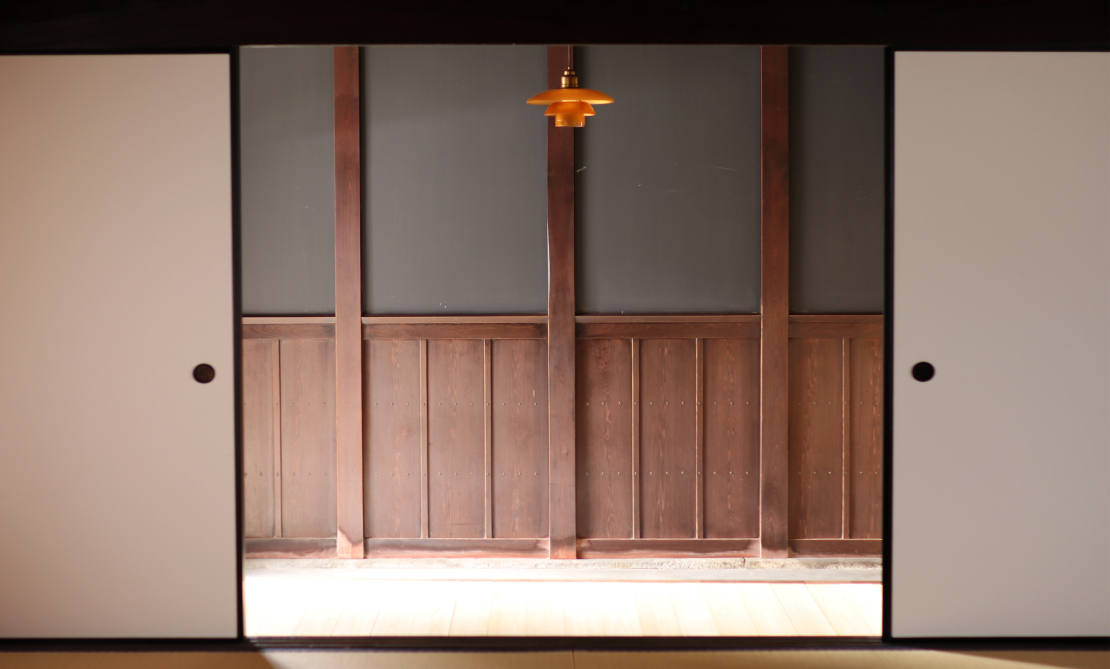
A Chashitsu of unadorned beauty, where natural materials truly breathe. The Juraku walls offer distinct texture and natural climate control.
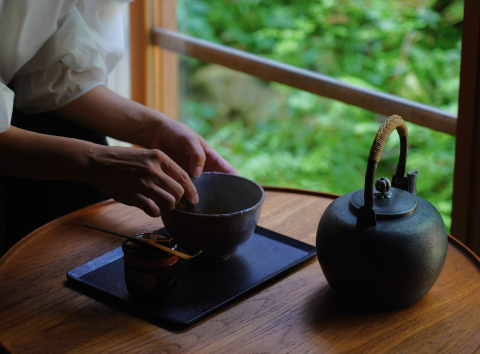
By harmonizing the Kominka’s ancient beams with modern craftsmanship, the space is reborn. Soft light filtering through the window, the whisper of the kettle, and the fragrance of incense—these sensory elements weave a moment of profound serenity.
Works
Otsu Hyakucho Studio
Located in Otsu—once the largest post town on the historic Tokaido road and the final gateway on the journey to Kyoto.
A showroom renovated from a 100-year-old Kominka. Maximizing the reuse of materials through carpentry skills, it offers a tasteful space where old and new harmonize.
HOTEL KOO
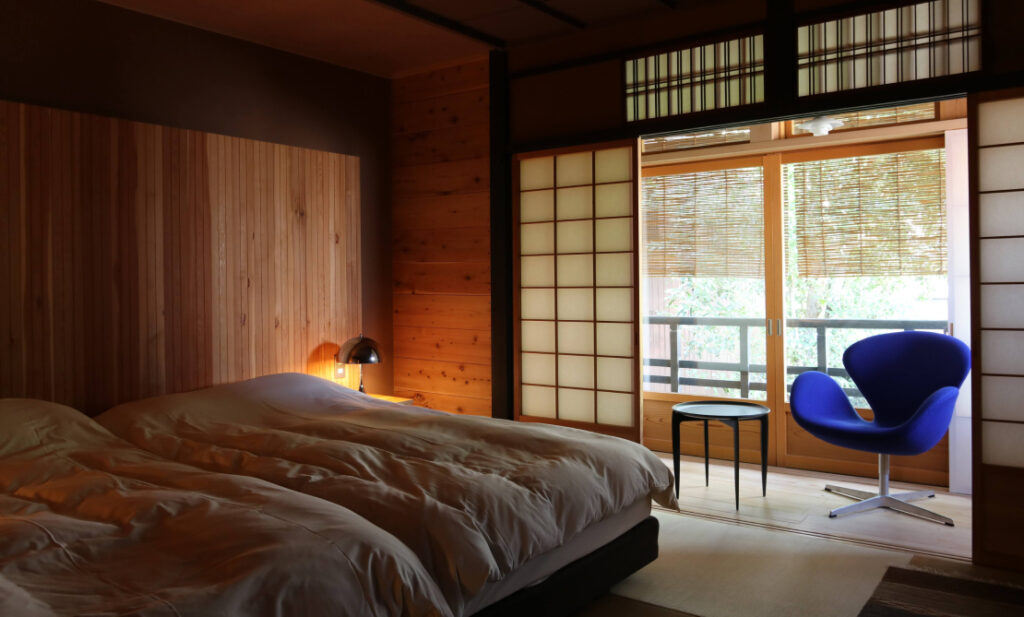
A “Distributed Hotel” where the town becomes the inn.
Revitalizing empty Machiya houses to turn the town itself into a stage for travelers. With the architectural touch of Yoshiji Takehara and serene Scandinavian furniture, it creates a calming sanctuary that connects guests deeply with the town.
Tea Room “Sanko-an”
A Chashitsu of unadorned beauty, where natural materials truly breathe. The Juraku walls offer distinct texture and natural climate control.
By harmonizing the Kominka’s ancient beams with modern craftsmanship, the space is reborn. Soft light filtering through the window, the whisper of the kettle, and the fragrance of incense—these sensory elements weave a moment of profound serenity.
Contact
Please feel free to contact us regarding any questions or to schedule a visit to our showroom.
This site is protected by reCAPTCHA and the Google Privacy Policy and Terms of Service apply.